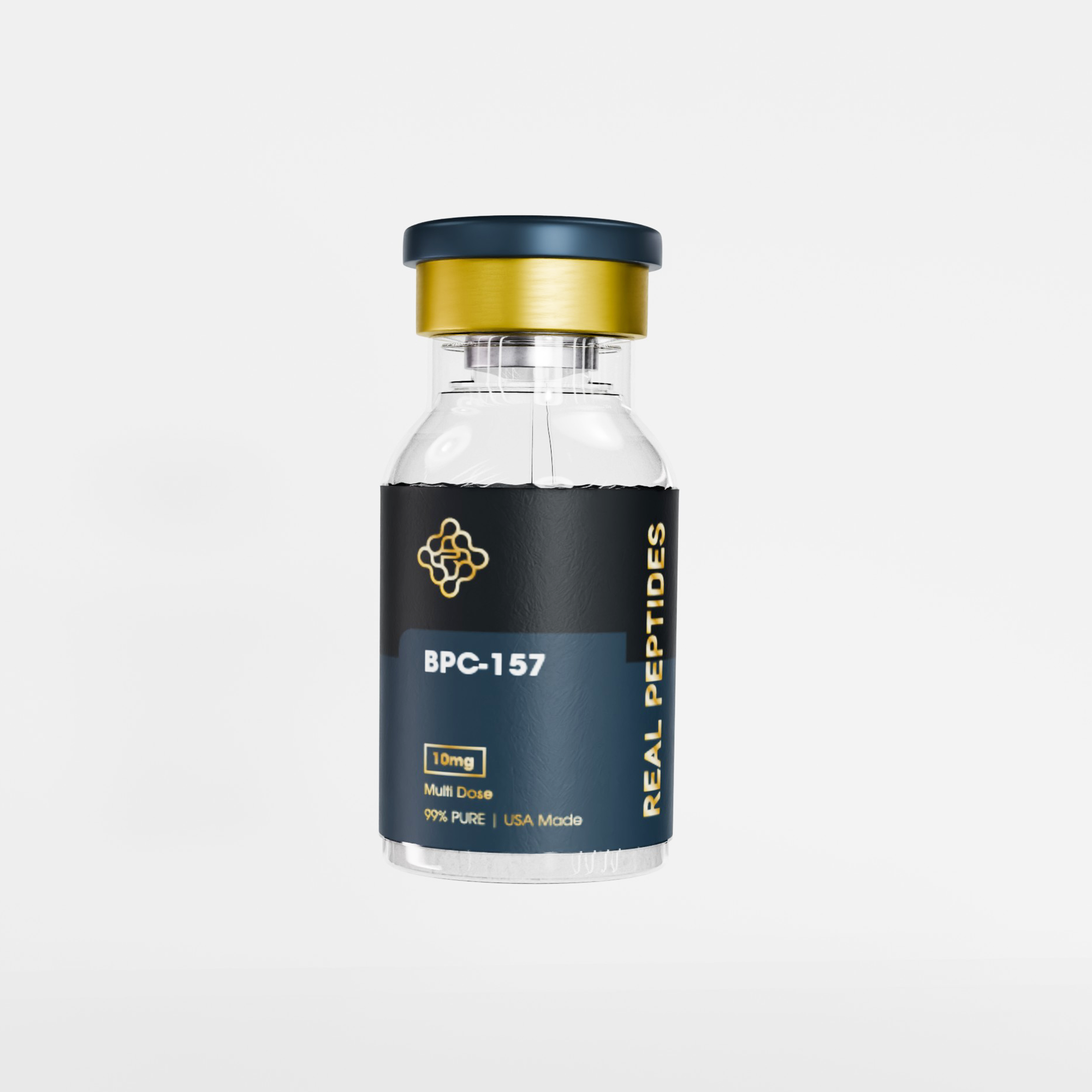
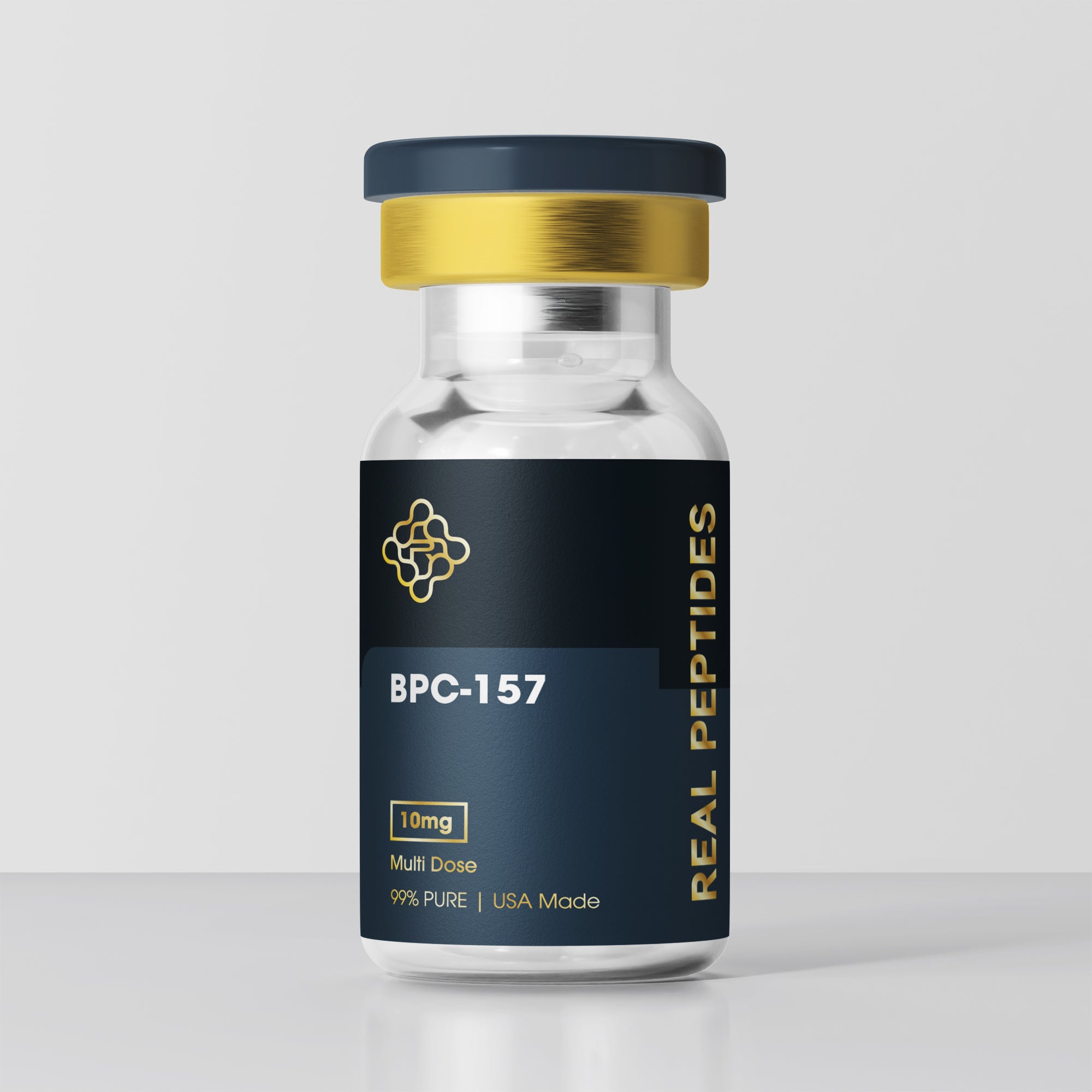
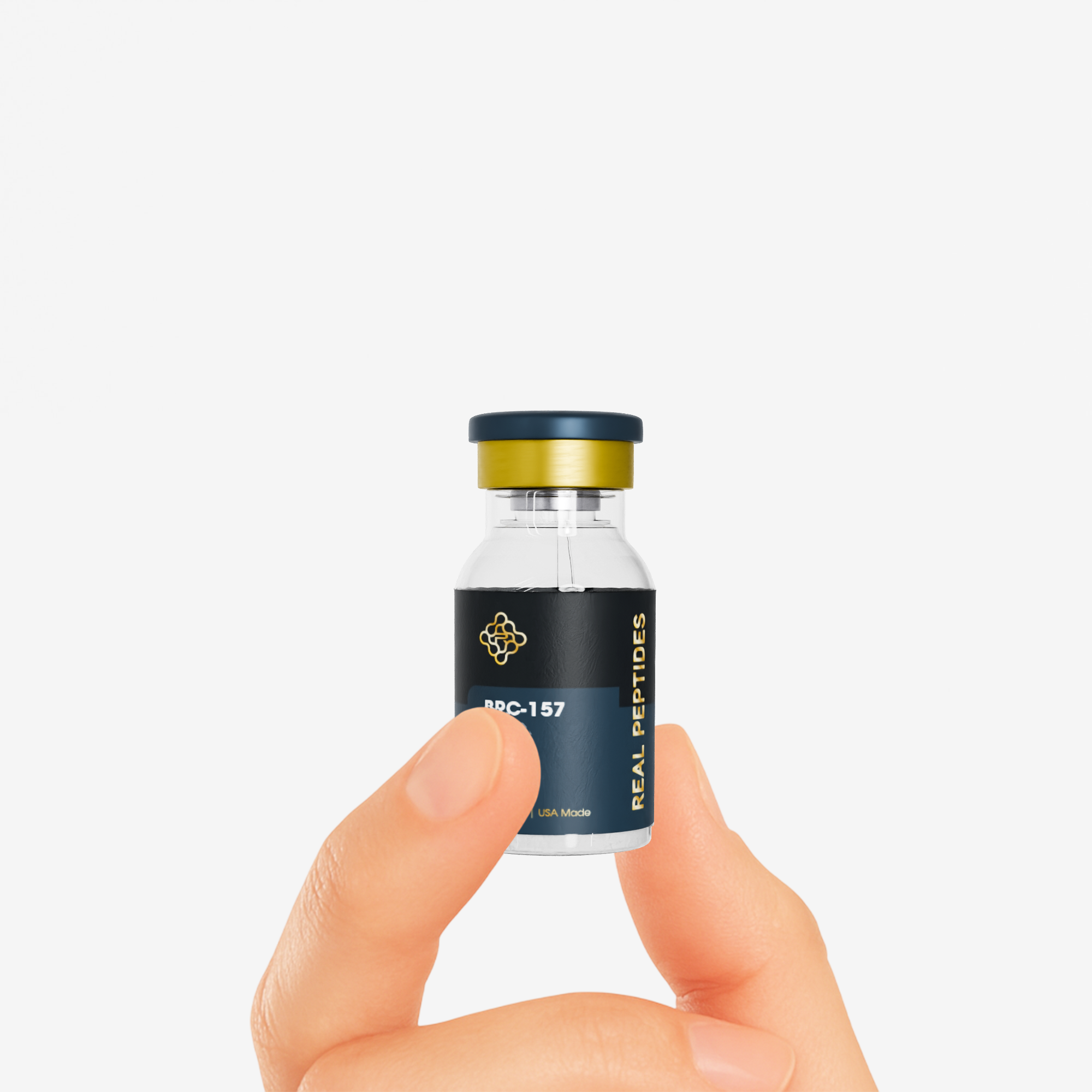
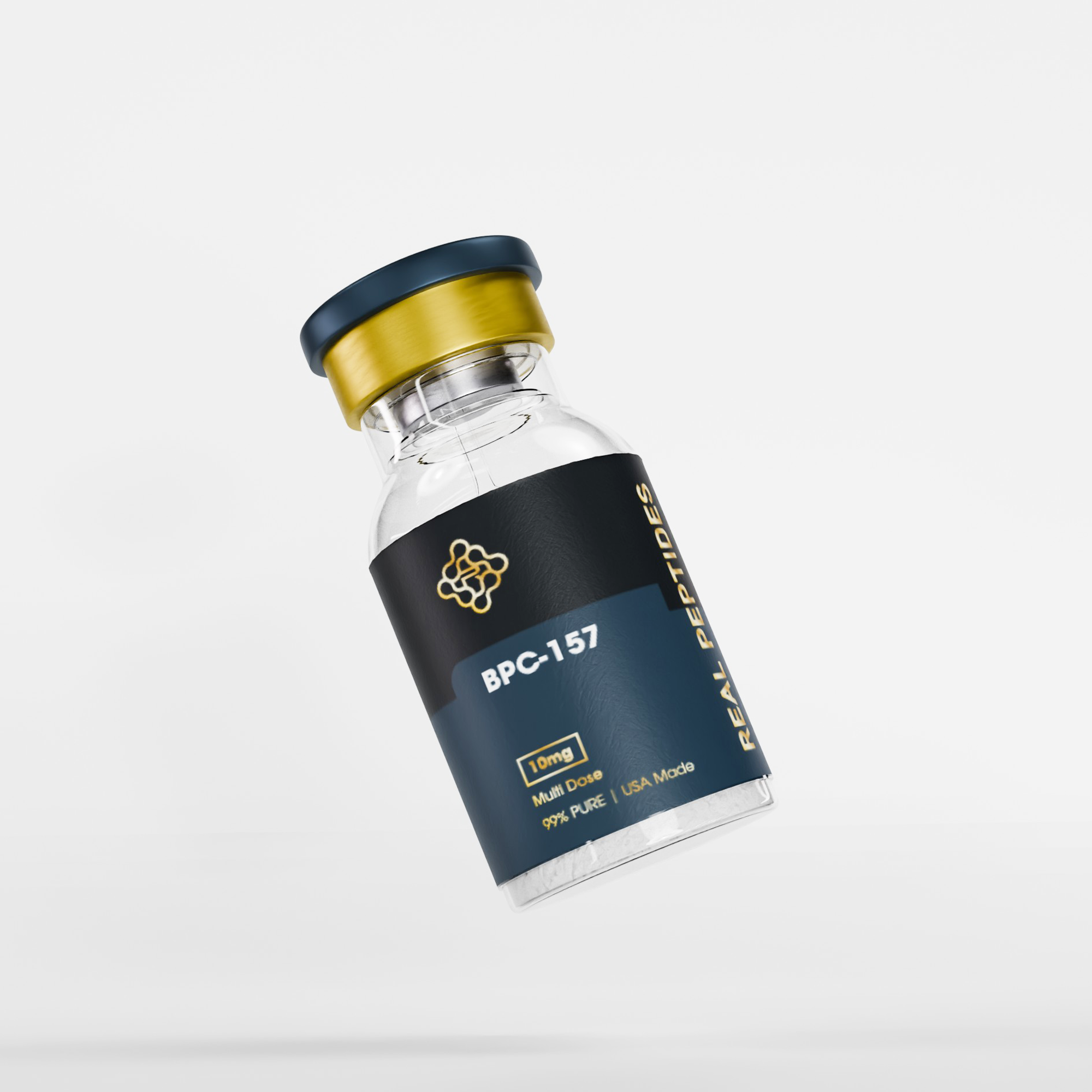
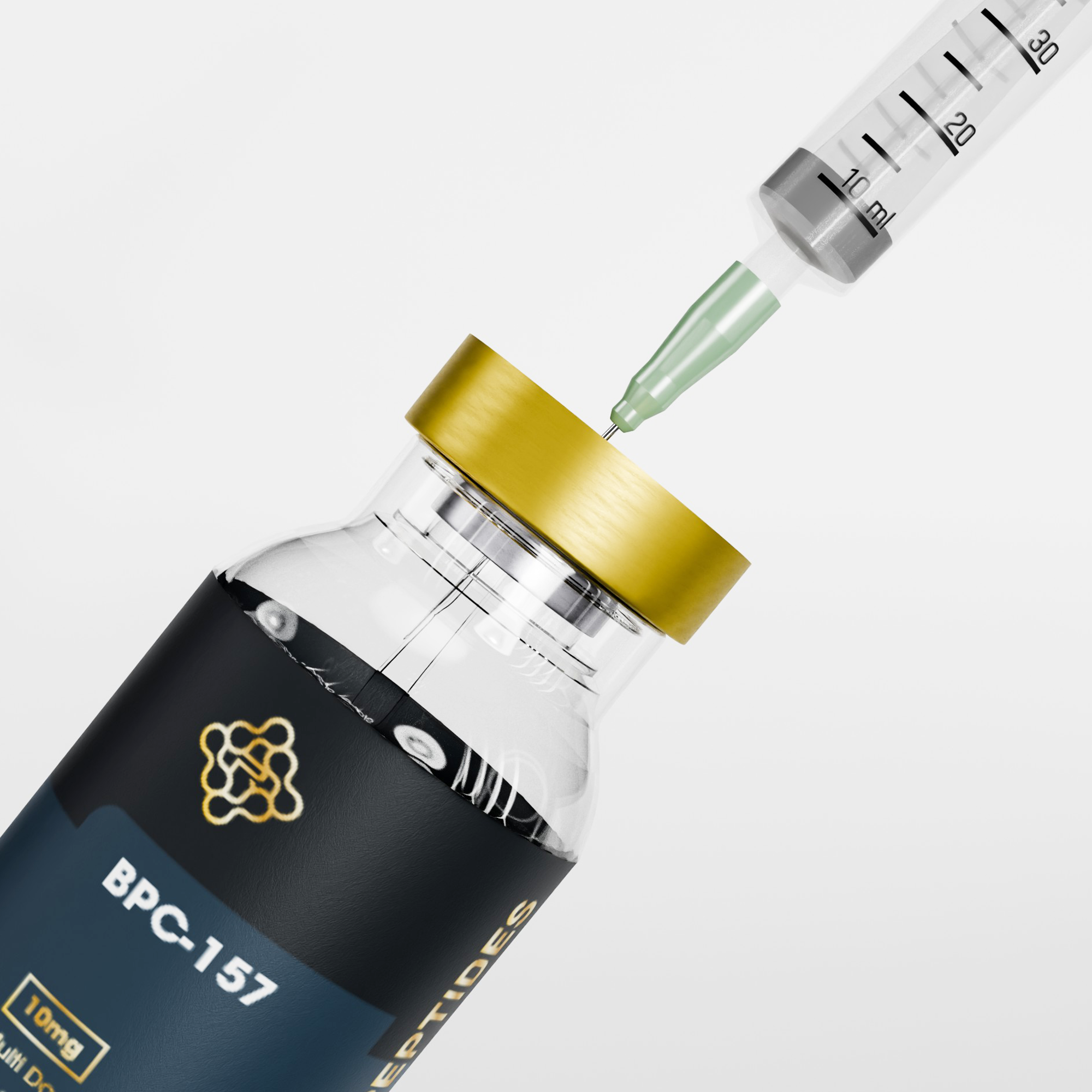
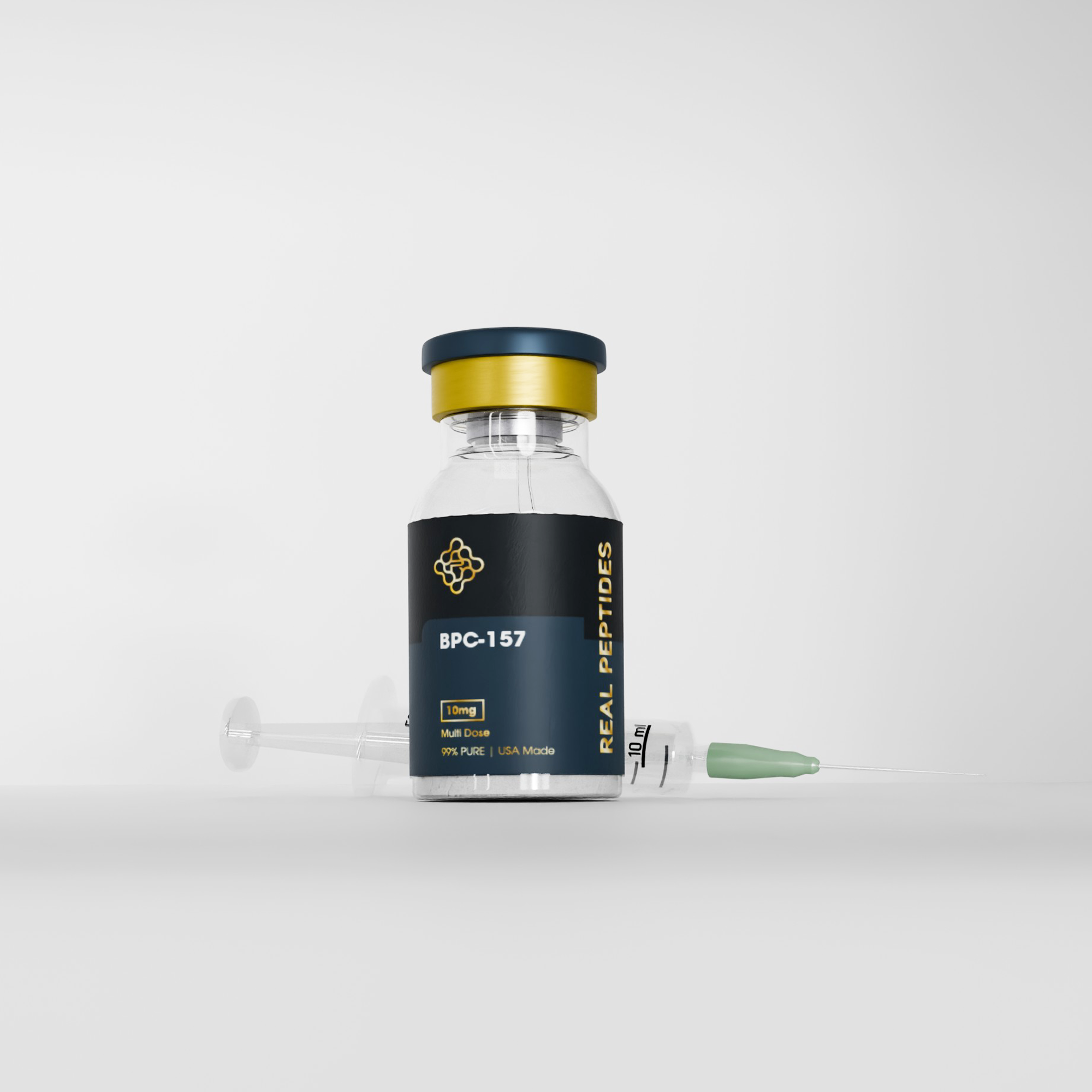
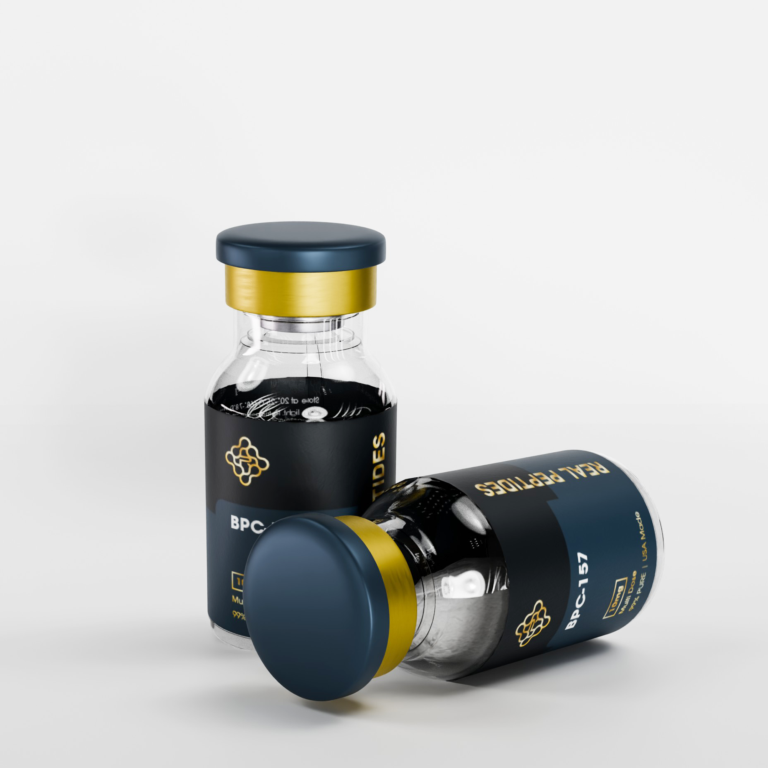
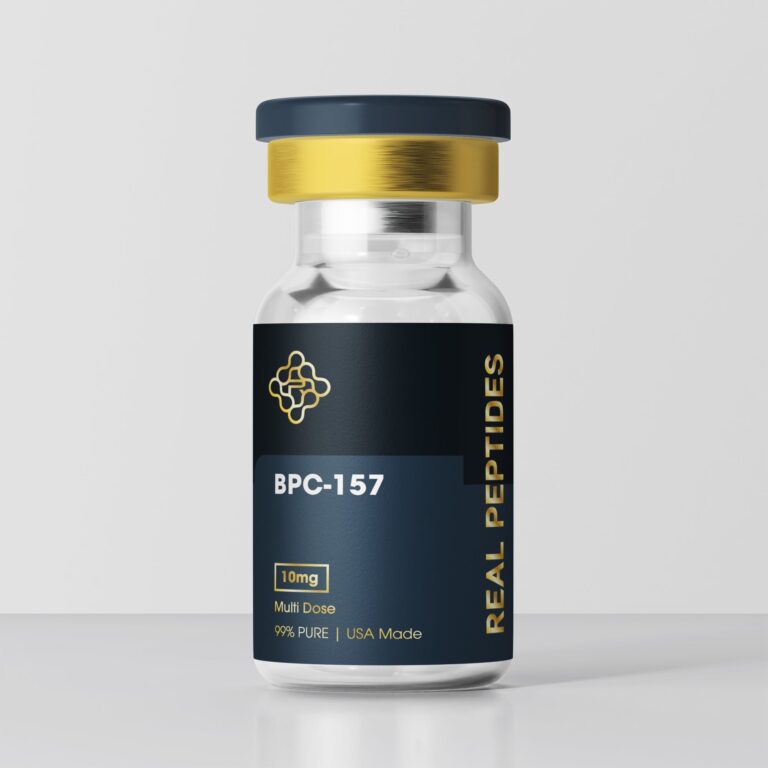
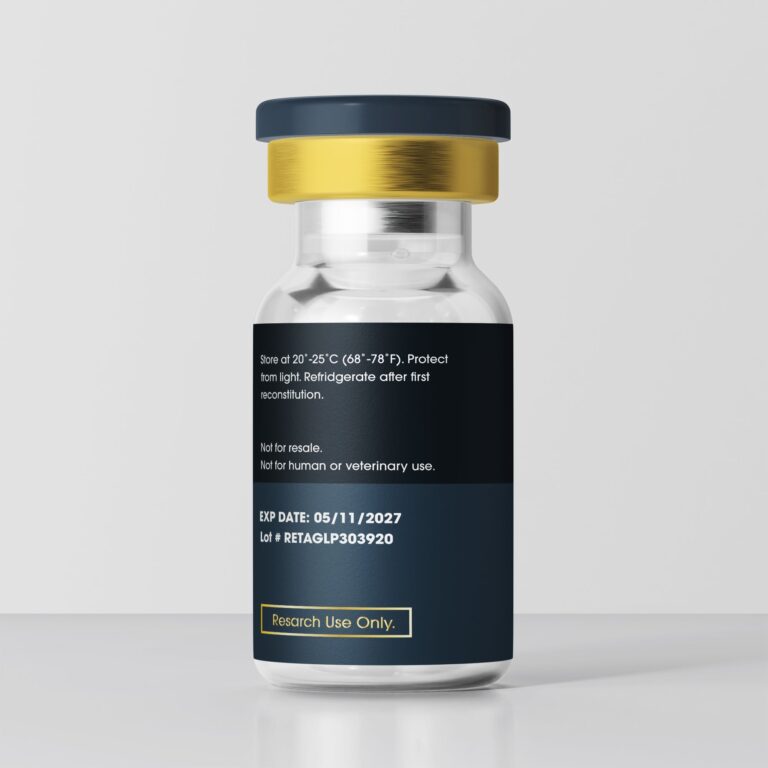
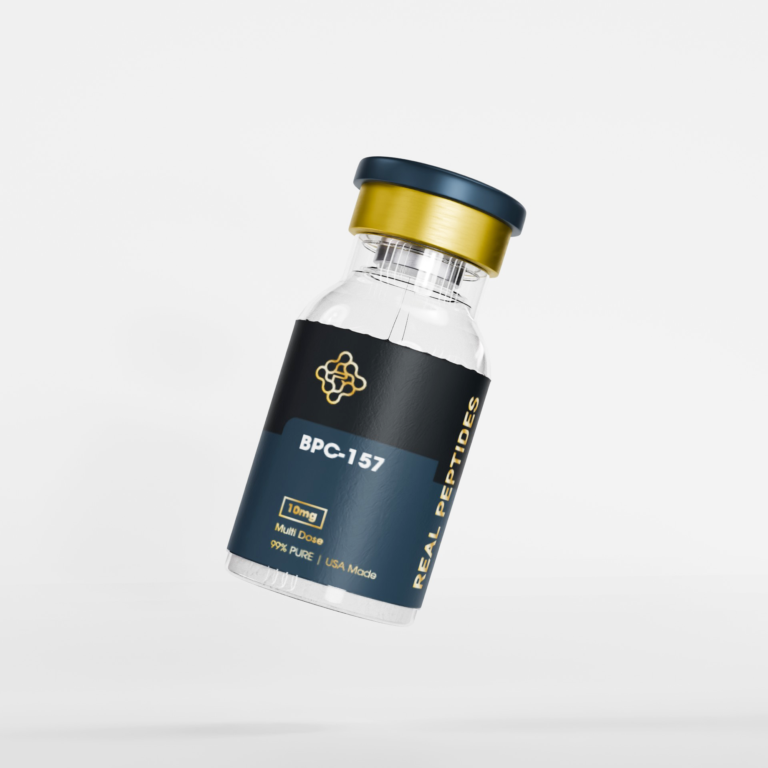
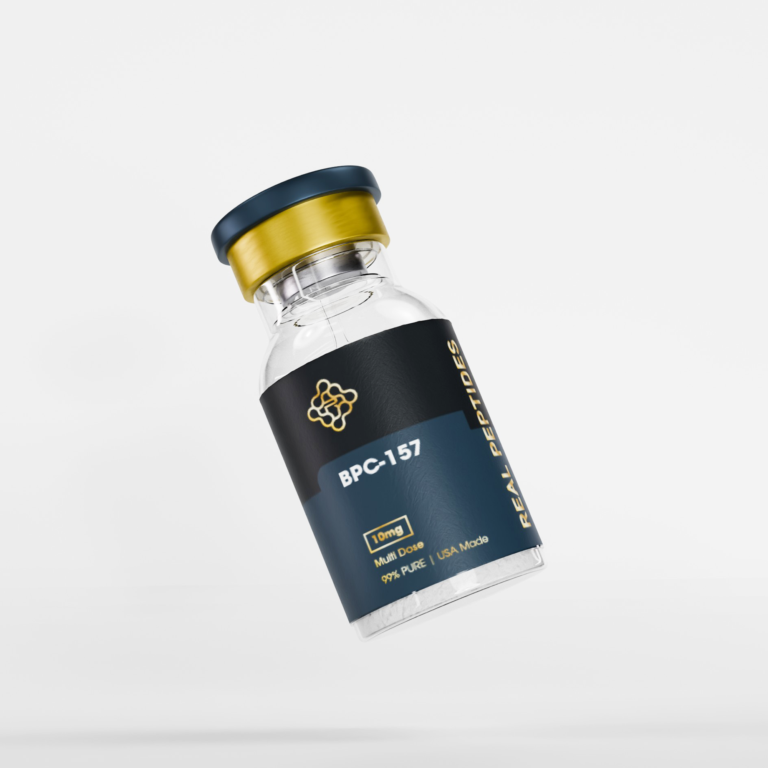
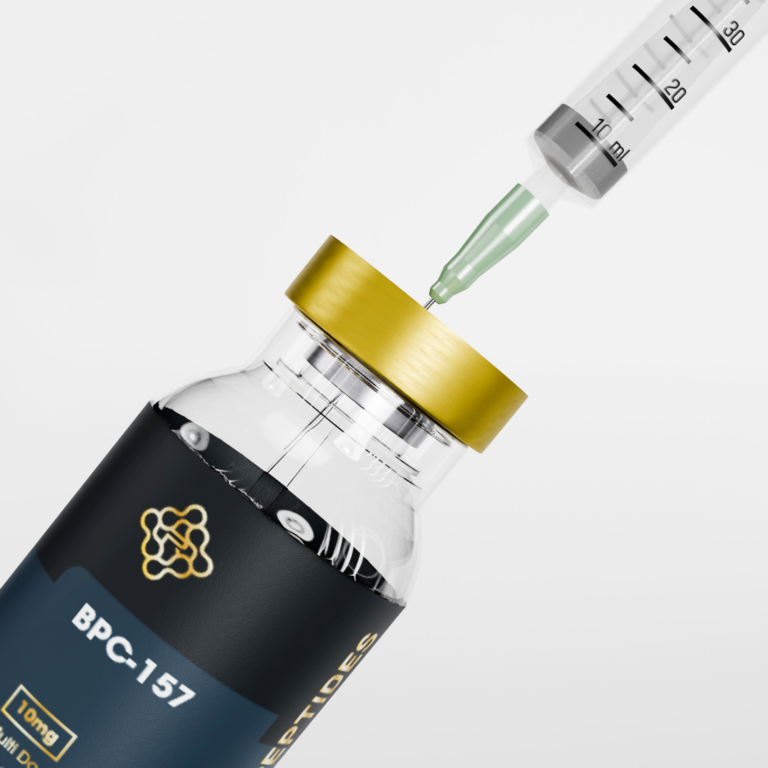
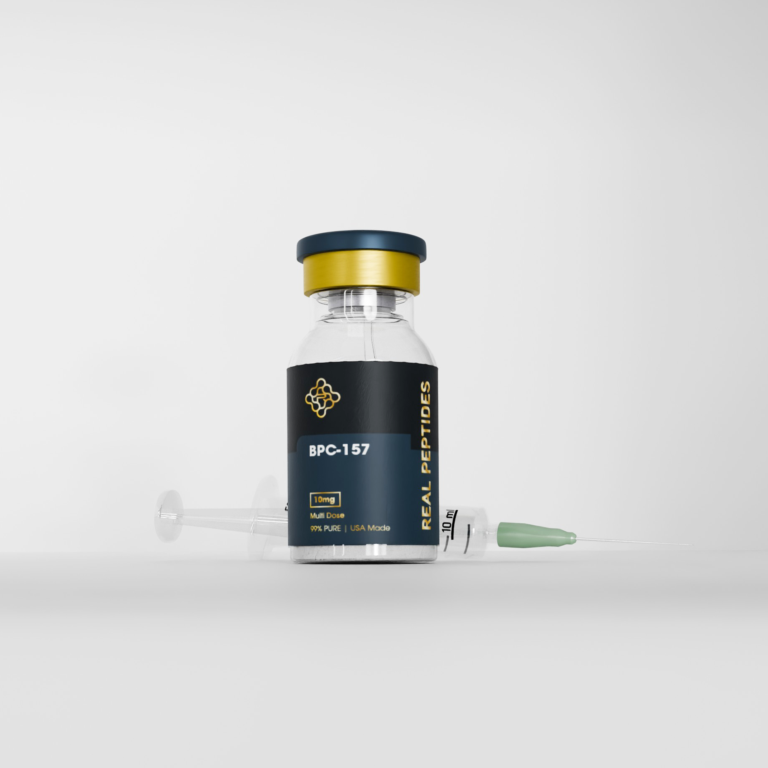
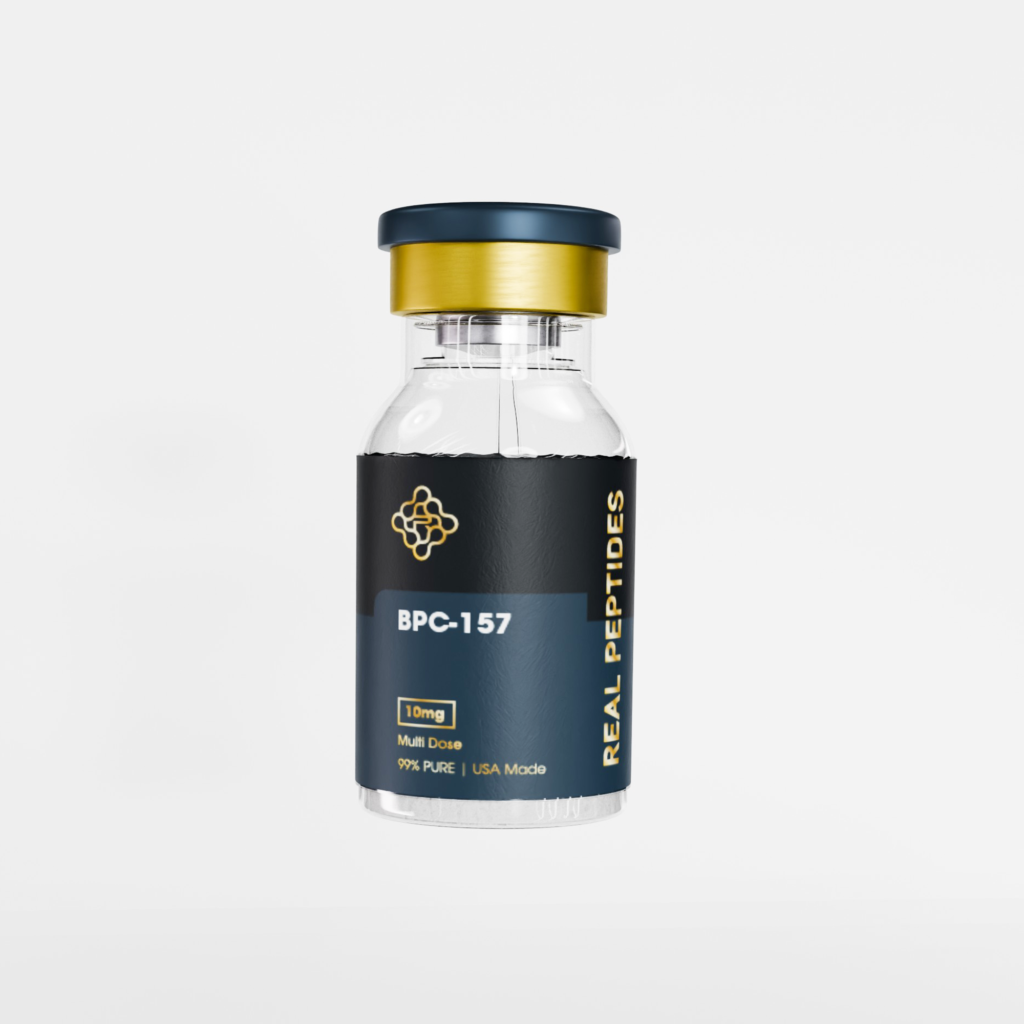
BPC-157 10mg
$90.00
99% Pure | USA Made | Multi Dose
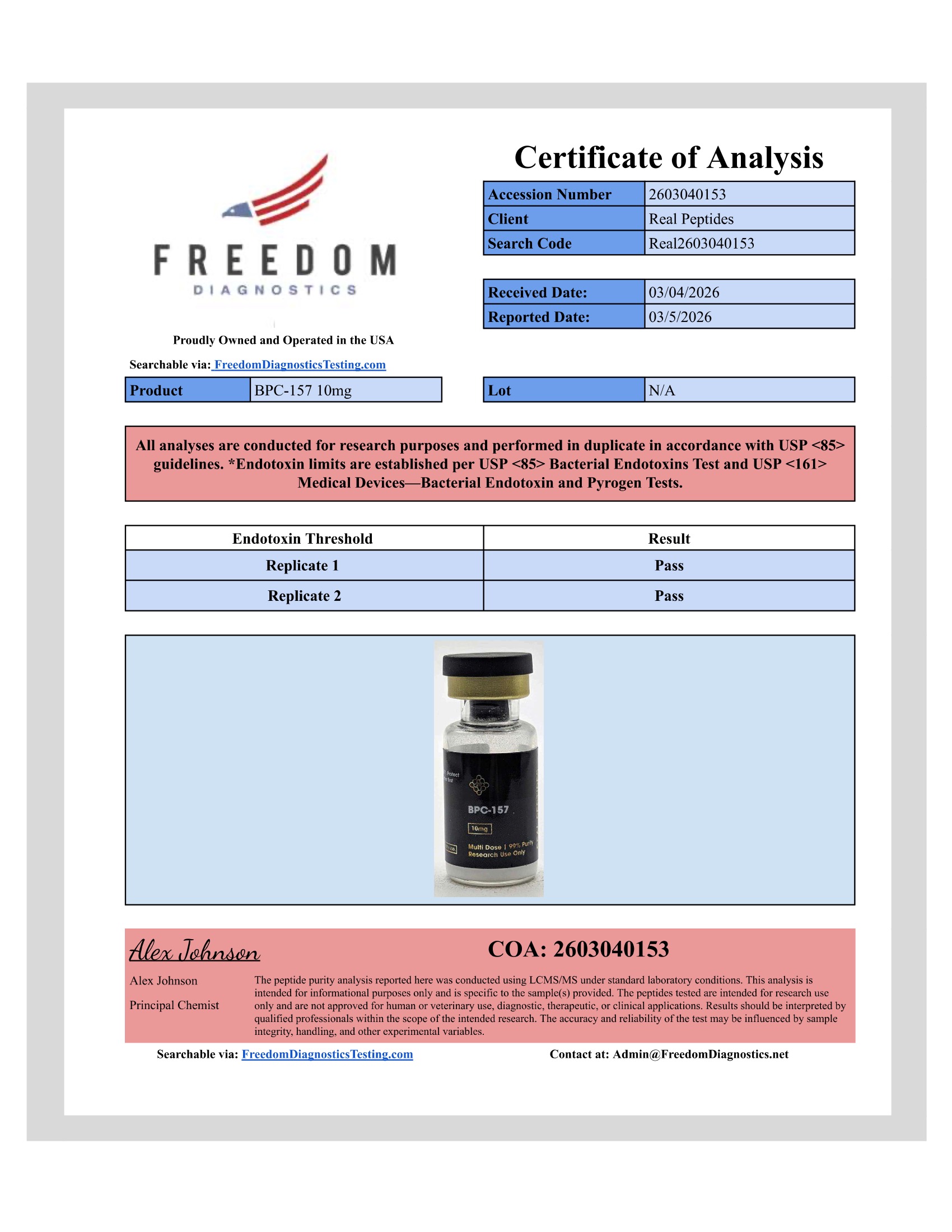
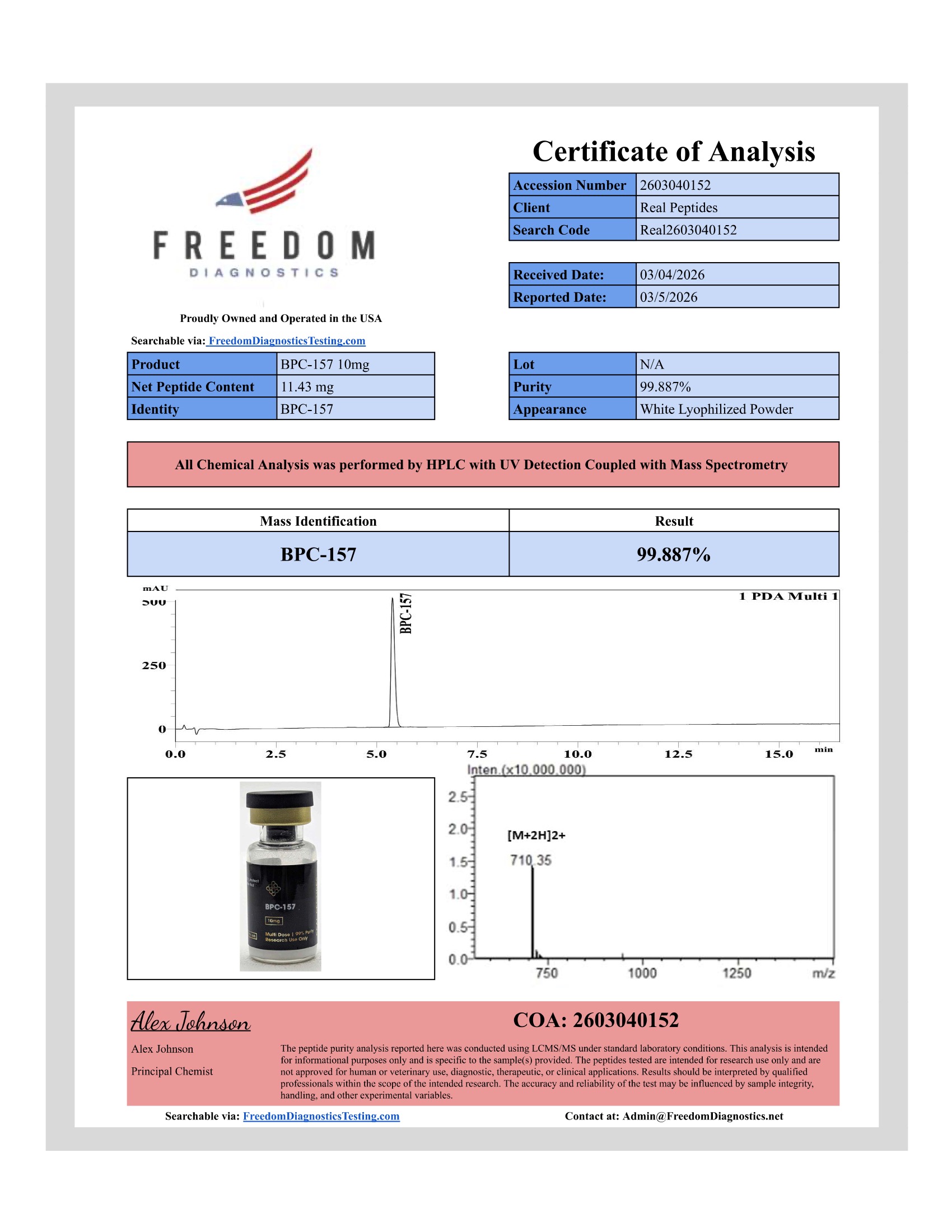
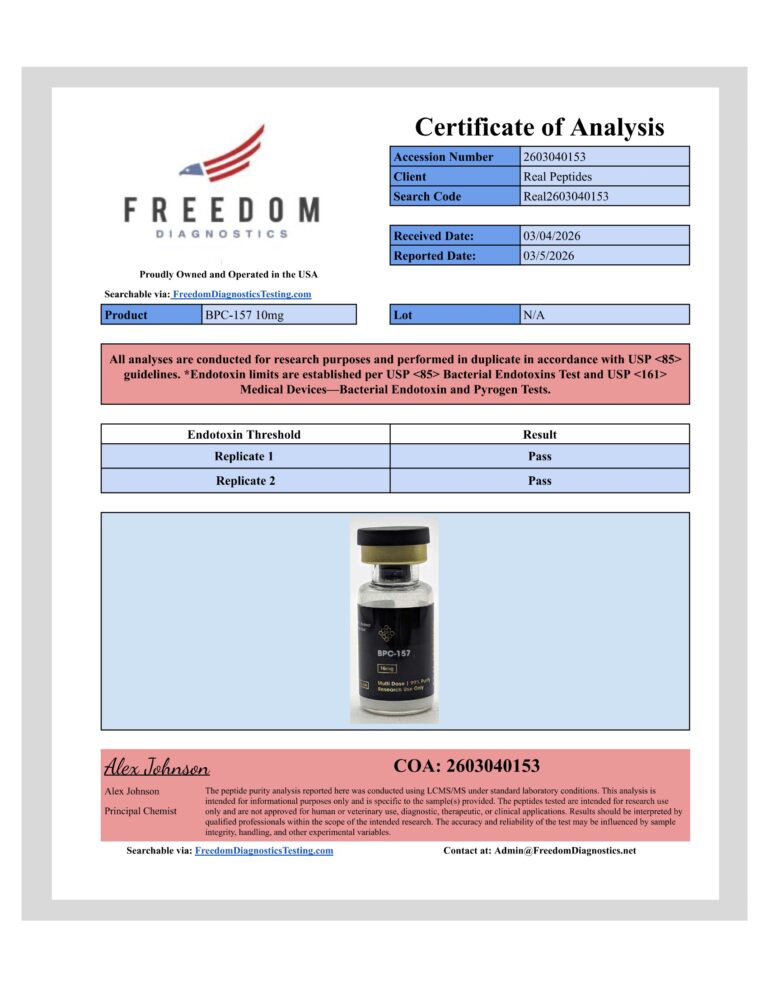
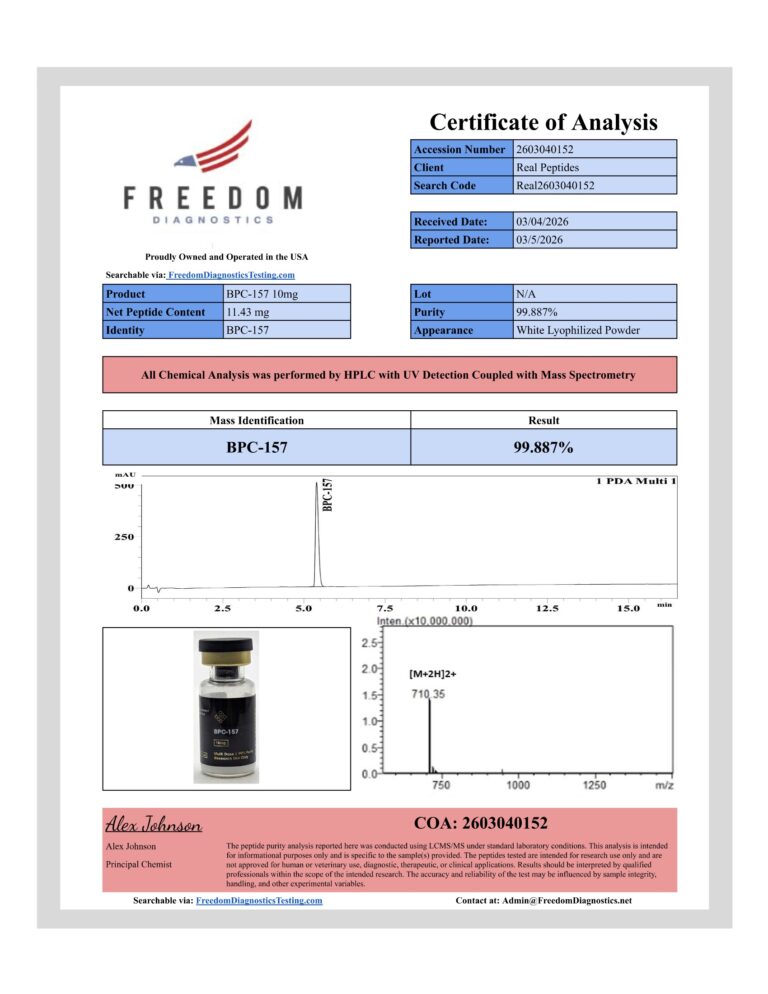
BPC-157 is a synthetic 15-amino-acid peptide derived from a naturally occurring gastric-juice protein, prized in laboratory models for its potent tissue-repair and angiogenic signaling. In preclinical assays, BPC-157 accelerates wound closure, supports blood-vessel formation, and protects the gut mucosa—without any systemic growth-hormone activity. Each 10 mg vial is produced under ISO-certified conditions, verified ≥99% purity by HPLC, screened for endotoxin (<0.1 EU/mg), and shipped with a Certificate of Analysis for your protocols.
702 in stock
What Is BPC-157?
BPC-157 (Body Protection Compound-157) is a laboratory-synthesized pentadecapeptide modeled on a human gastric peptide fragment. It is used in cell cultures and animal assays to investigate extracellular matrix remodeling, vascular signaling, and mucosal defense. By engaging growth-factor and nitric-oxide pathways, BPC-157 offers a versatile platform for studying tissue dynamics in skin, gut, and nervous-system models.
Why Choose BPC-157?
Researchers choose BPC-157 for its uniquely broad profile: it accelerates tissue repair, drives new blood-vessel formation, and protects gastrointestinal lining, all within a single peptide. Its efficacy across dermal wound-healing, ulcer-protection, and neurovascular assays has made it a staple in regenerative-medicine protocols. Manufactured in ISO-certified facilities and validated by rigorous HPLC and endotoxin testing, every vial ensures reproducible, high-quality results.
What Sets BPC-157 Apart?
Unlike narrow-spectrum peptides, BPC-157 simultaneously modulates angiogenic, cytoprotective, and anti-inflammatory pathways—without systemic hormone effects. Its stability in gastric environments and compatibility with diverse lab models (in vitro, ex vivo, in vivo) make it an indispensable research tool for exploring multi-tissue repair and vascular health mechanisms.
FAQS
BPC-157 is a synthetic 15-amino-acid peptide used to study tissue repair, angiogenesis, and mucosal protection in lab models.
It promotes fibroblast and keratinocyte migration and upregulates VEGF, closing scratch-assays up to 60% faster.
Yes. In animal ulcer models, it preserves mucosal integrity and reduces lesion size by modulating inflammatory pathways.
Typical assay ranges span 100 nM to 1 µM, adjusted per cell type and endpoint measures.
No. BPC-157 operates through local growth-factor and NO signaling without affecting systemic hormone levels.
Use Sterile Water for Injection (SWFI) or Bacteriostatic Water (BAC) per your lab’s SOP for precise dosing.
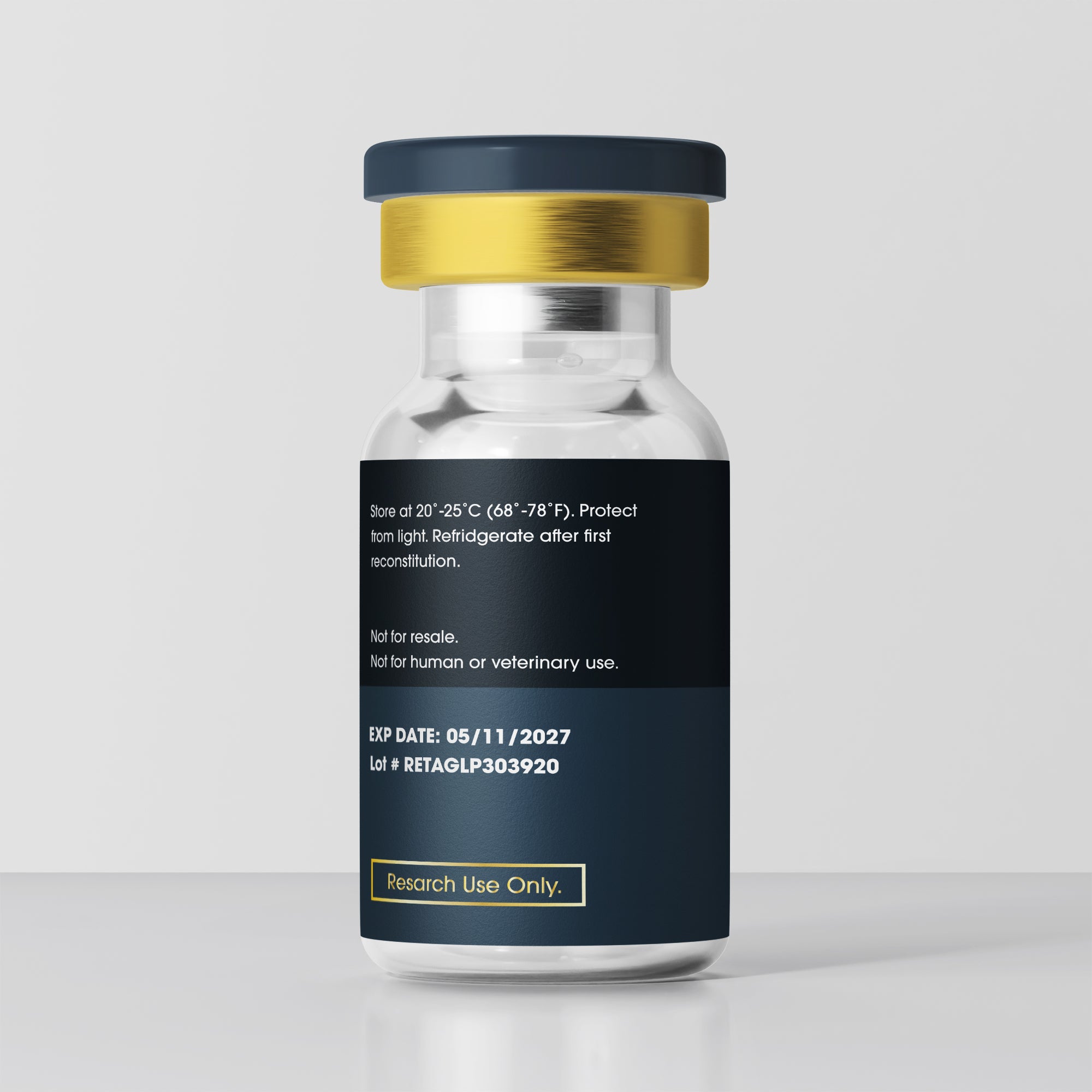
Store lyophilized at –20 °C; maintain reconstituted peptide at 2–8 °C and use within 7 days.
Yes. It’s often co-studied with TB-500, GHK-Cu, and antioxidant peptides for synergistic tissue-repair effects.
Is BPC-157 approved for human use?
Our BPC-157 is synthesized in ISO-certified U.S. labs, tested for ≥99% purity, and endotoxin-free to ensure research reliability.
Related Products
Related products
-
 This product has multiple variants. The options may be chosen on the product page
SS-31 (Elamipretide)
$60.00 – $270.00Price range: $60.00 through $270.00 -
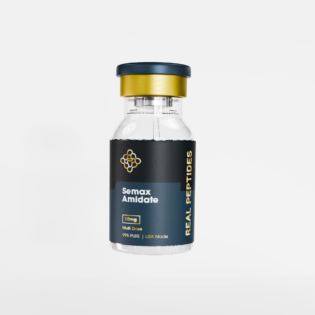 This product has multiple variants. The options may be chosen on the product page
Semax Amidate
$60.00 -
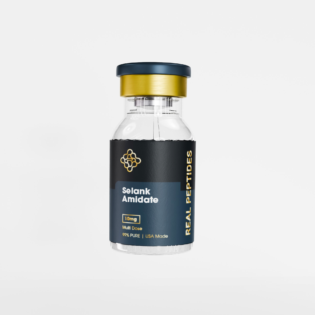 This product has multiple variants. The options may be chosen on the product page
Selank Amidate
$60.00 -
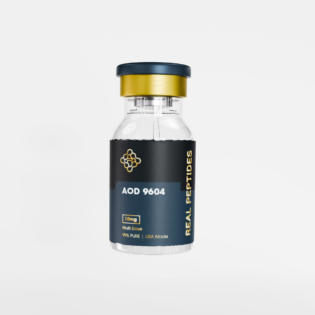 This product has multiple variants. The options may be chosen on the product page
AOD-9604
$70.00